Having a prominent forehead doesn’t limit your style options—it opens doors to sophisticated looks that work with your natural features rather than against them.
When you understand how to style hair with big forehead men techniques, you transform what some consider a challenge into a distinctive advantage that sets you apart.
This comprehensive guide reveals professional styling secrets, strategic haircut choices, and daily grooming habits that create balanced proportions and boost confidence.
You’ll discover texture manipulation methods, fringe variations that actually work, product selection strategies, and celebrity-inspired approaches that prove a larger forehead can be your strongest style asset.
Whether you’re dealing with a receding hairline or simply have a naturally high forehead, these evidence-based techniques will revolutionize how you approach your hair and redefine what’s possible for your appearance.
1. Understanding Face Proportions and Forehead Balance
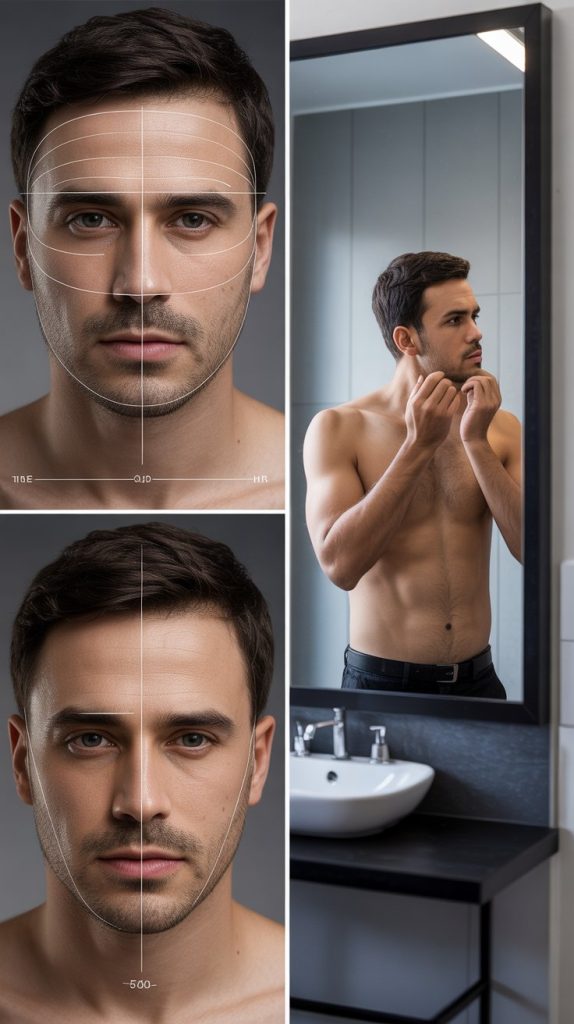
Before selecting any hairstyle, you need to grasp the fundamental relationship between your forehead size and overall facial structure.
The human face is typically divided into three equal sections—forehead to eyebrows, eyebrows to nose tip, and nose tip to chin—but variations in these proportions create unique opportunities for strategic styling.
- Your forehead is considered prominent when it measures more than one-third of your total face length from hairline to chin.
- A balanced hairstyle redirects visual attention through volume placement, texture creation, and strategic coverage areas.
- Understanding your face shape (oval, square, round, or diamond) combined with forehead size determines which styles complement rather than contradict your features.
- The golden ratio in facial aesthetics suggests the forehead should occupy approximately 33% of facial length, but this is merely a guideline, not a requirement.
- Professional stylists assess bone structure, hairline shape, and natural hair growth patterns before recommending specific cuts.
- Accepting your natural proportions instead of fighting them creates authenticity that translates to genuine confidence.
2. Strategic Fringe Styles That Actually Work
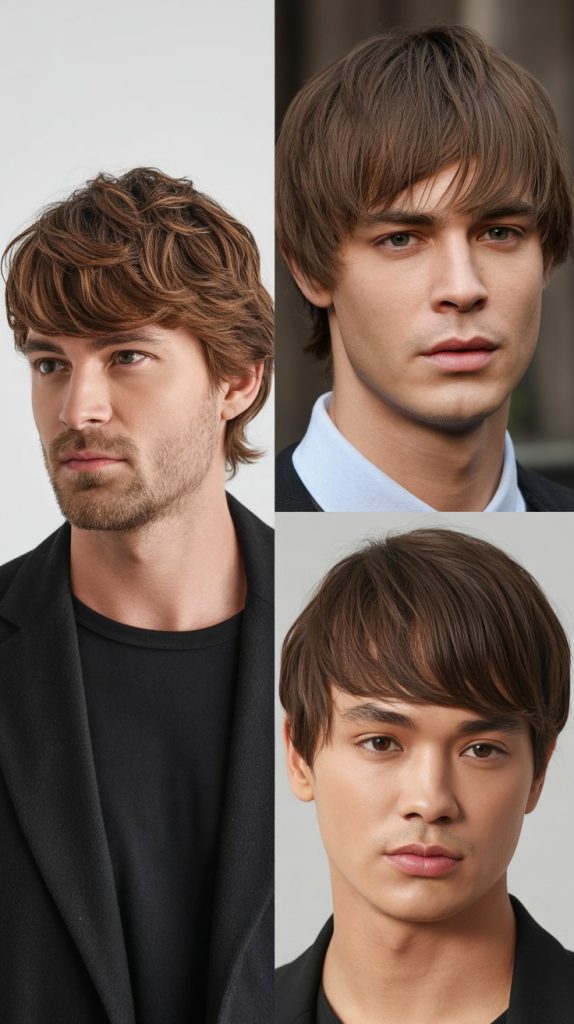
Fringe remains one of the most effective tools for balancing a prominent forehead, but the wrong approach makes the disproportion more obvious.
The key lies in selecting fringe lengths, textures, and styling methods that create natural movement rather than rigid coverage.
- Side-swept fringes create diagonal lines that visually shorten forehead height while adding sophisticated dimension.
- Textured fringes with choppy, uneven ends appear more natural than blunt-cut bangs and integrate seamlessly with the rest of your hair.
- Curtain bangs parted in the center draw eyes to the middle of your face rather than the hairline.
- Avoid heavy, straight-across bangs that create a harsh horizontal line emphasizing rather than minimizing forehead space.
- Fringes should start with enough length to style multiple ways—you can always cut shorter, but growing out takes months.
- Products like sea salt spray add the texture needed to prevent fringe from looking flat or overly styled.
- Regular trims every three to four weeks maintain fringe shape without letting it grow into your eyes.
- Consider your hair’s natural growth pattern when selecting fringe direction to work with rather than against your follicles.
3. Volume-Building Techniques for the Crown
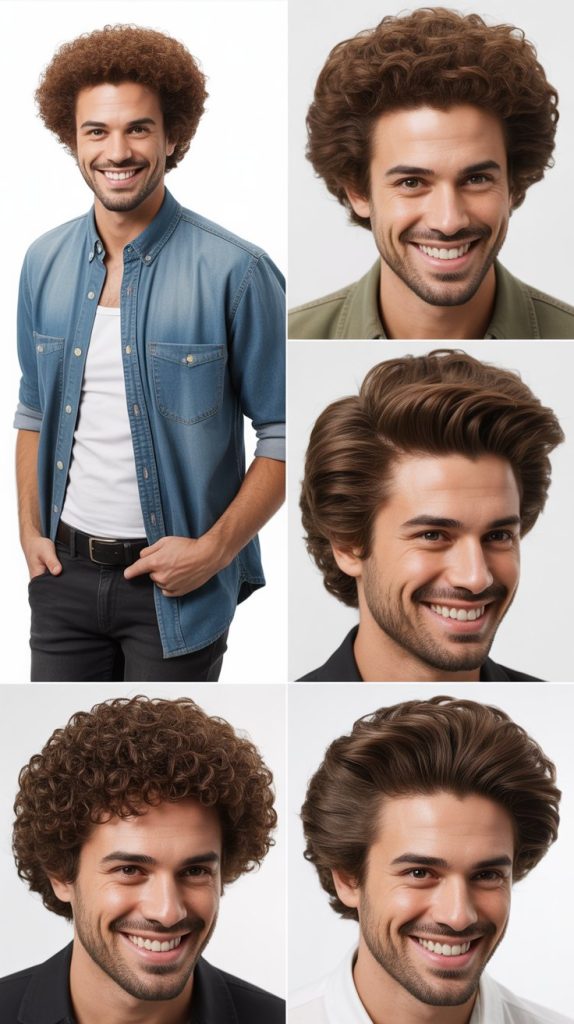
Strategic volume placement at the crown and top of your head creates vertical height that balances horizontal forehead space.
This technique redirects the viewer’s attention upward while maintaining proportional harmony across your entire head shape.
- Blow-drying hair upward at the roots using a round brush lifts hair away from the scalp, creating natural-looking volume.
- Volumizing mousse applied to damp hair before drying provides hold without the stiffness of gel or spray.
- The “lift and set” technique involves pulling sections of hair straight up while applying heat, then allowing them to cool in that position.
- Avoid flat, slicked-back styles that emphasize forehead length by removing all vertical dimension.
- Backcombing or teasing at the crown adds temporary height for special occasions or photography.
- Hair fibers or thickening powders sprinkled at the roots create the appearance of fuller, denser hair with more natural volume.
- Sleeping with your hair slightly damp and styled upward helps set volume that lasts throughout the next day.
- Consider a slight undercut on the sides to make the top appear fuller by comparison.
4. The Power of Textured Crops and Short Styles
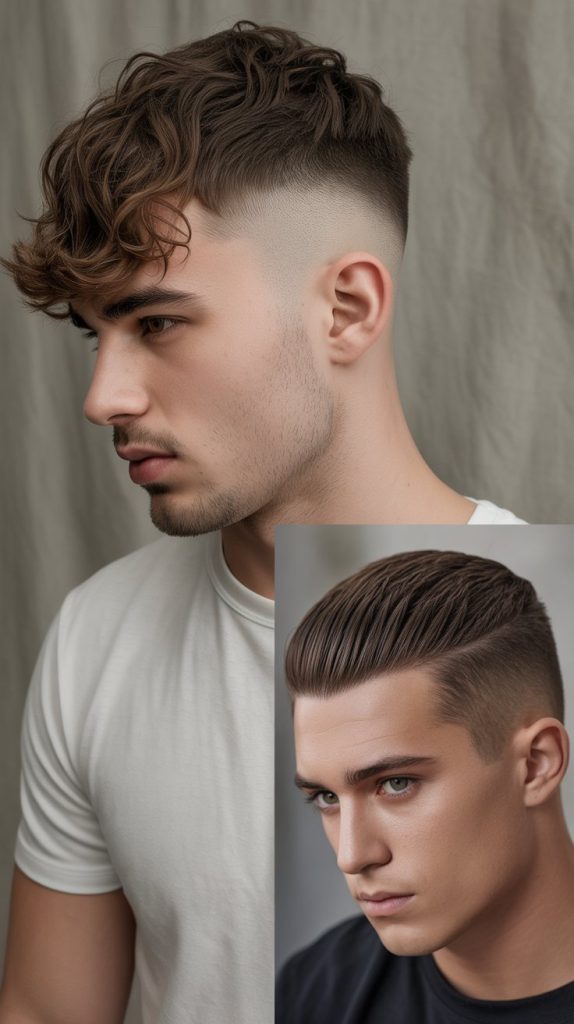
Short, textured hairstyles offer surprising versatility for men with prominent foreheads by emphasizing hair quality and styling precision over coverage.
These cuts require regular maintenance but deliver consistently polished results.
- The French crop features a short, textured fringe that sits forward on the forehead, creating subtle coverage without obvious bangs.
- Caesar cuts bring hair forward with micro-fringe that barely touches the hairline, offering minimal coverage with maximum style.
- Textured quiffs add height at the front while maintaining some forward movement that softens the hairline.
- Crew cuts with slightly longer tops styled forward create clean, masculine looks with balanced proportions.
- Requesting “texture” from your barber means they’ll use point-cutting or razor techniques to create uneven, natural-looking ends.
- Short styles require product application on damp hair, then styling with fingers or a comb for controlled texture.
- Matte-finish pomades or clays work best for textured crops, avoiding the shine that can highlight forehead space.
- These cuts typically need professional maintenance every two to three weeks to preserve their sharp, intentional appearance.
5. Medium-Length Options with Strategic Layering
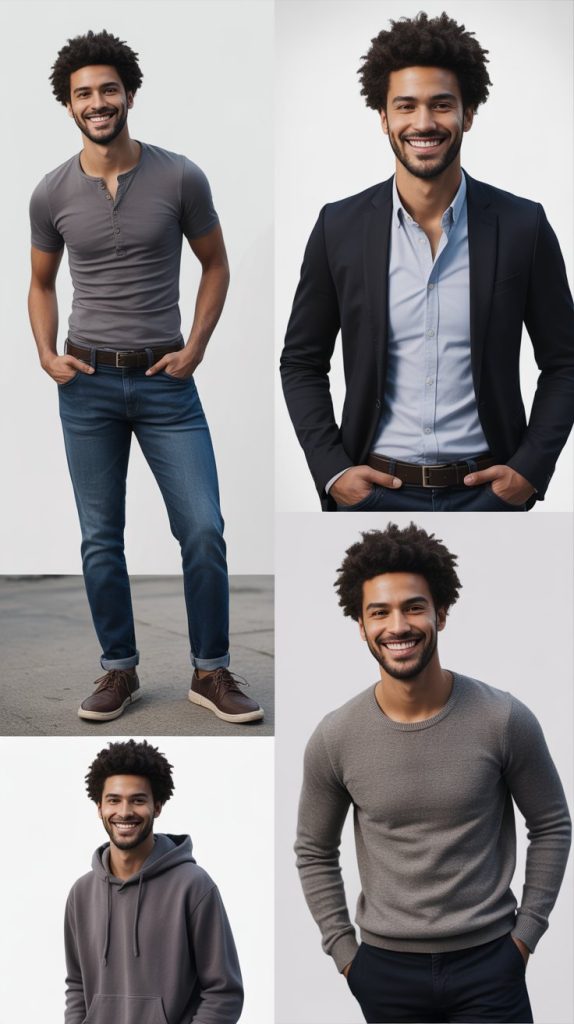
Medium-length hair provides maximum styling flexibility, allowing you to experiment with various looks while maintaining enough length to cover or frame your forehead.
Proper layering makes the difference between a flattering style and an unflattering one.
- Layered cuts remove bulk while creating movement that can be directed toward or away from the forehead.
- Face-framing layers specifically cut around the hairline provide natural coverage that moves with your head.
- The shag haircut offers multiple short layers throughout, creating fullness that balances forehead proportions.
- Medium-length styles work well with natural waves or curls that add dimension and visual interest.
- Avoid one-length cuts that pull hair away from your face, exposing the entire forehead without any softening elements.
- Styling medium hair with a side part creates asymmetrical interest that diverts attention from forehead size.
- Salt spray, texturizing cream, or light mousse enhances natural texture in medium-length hair without weighing it down.
- These lengths require blow-drying with a diffuser or round brush to prevent limp, flat hair that emphasizes forehead space.
6. The Strategic Side Part Approach
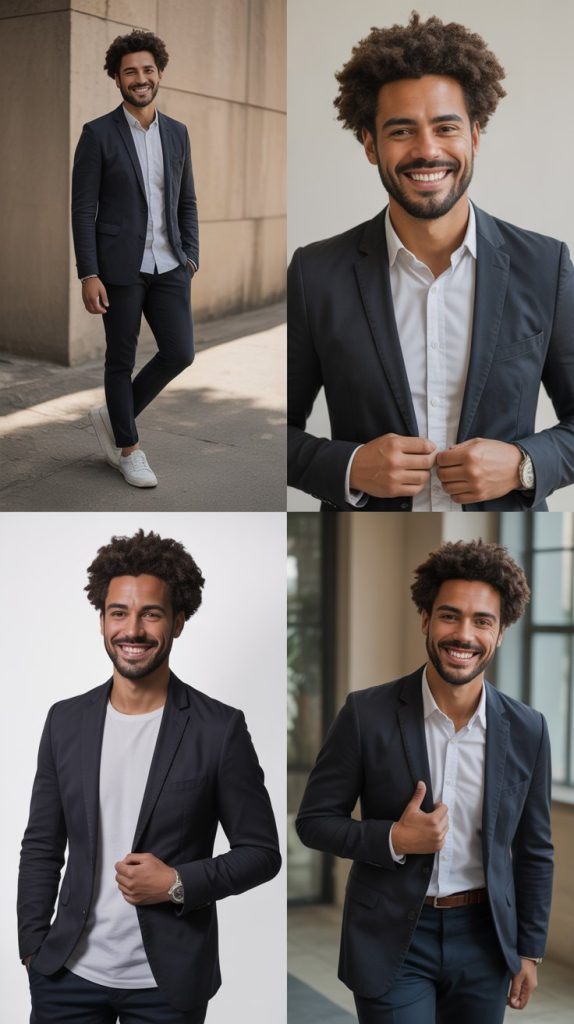
The side part represents one of the most classic and effective styling techniques for balancing a prominent forehead.
Its success depends on part placement, styling direction, and volume distribution across the scalp.
- A deep side part positioned approximately two inches from the center creates maximum coverage on the larger side.
- The hair on the heavier side should sweep across the forehead at a diagonal angle rather than straight across.
- Volume at the part line prevents the style from appearing flat or overly slicked down.
- Applying pomade or styling cream before combing creates hold that maintains the part throughout the day.
- The side part works with virtually any hair length from short crops to medium styles.
- Natural cowlicks or growth patterns sometimes dictate optimal part placement—work with these rather than against them.
- Blow-drying hair in the direction you want it to lay sets the style and makes it last longer.
- This classic approach never goes out of style and suits professional environments perfectly.
7. Facial Hair as a Balancing Tool
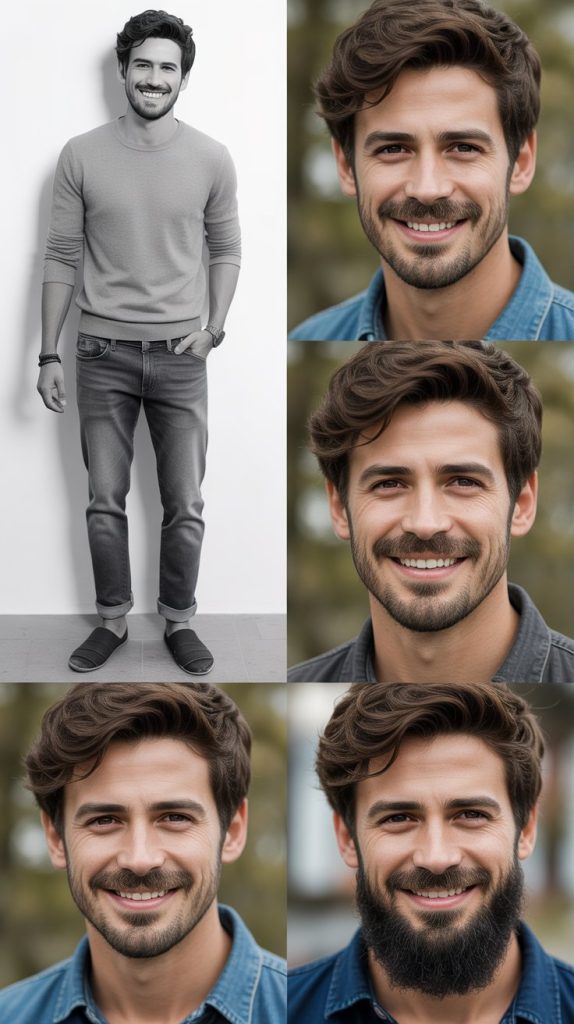
Facial hair creates visual weight in the lower portion of your face, drawing attention downward and balancing the proportions when you have a prominent forehead.
Strategic beard styles accomplish this without requiring perfect hair genetics.
- Full beards add substantial visual mass to the lower face, creating equilibrium with a larger forehead.
- Even stubble or light scruff provides enough contrast to reduce the apparent size of the forehead.
- Goatees and chin beards elongate the face vertically, which can complement rather than compete with forehead height.
- Avoid thin mustaches without accompanying facial hair, as they can make the forehead appear larger by comparison.
- Maintaining neat beard lines and regular trimming keeps facial hair looking intentional rather than neglected.
- Beard oils and balms help maintain healthy facial hair that looks fuller and more substantial.
- The combination of the right hairstyle with complementary facial hair creates comprehensive facial balance.
- If you cannot grow full facial hair, even maintaining a five o’clock shadow provides some balancing effect.
8. Hair Products That Make the Difference
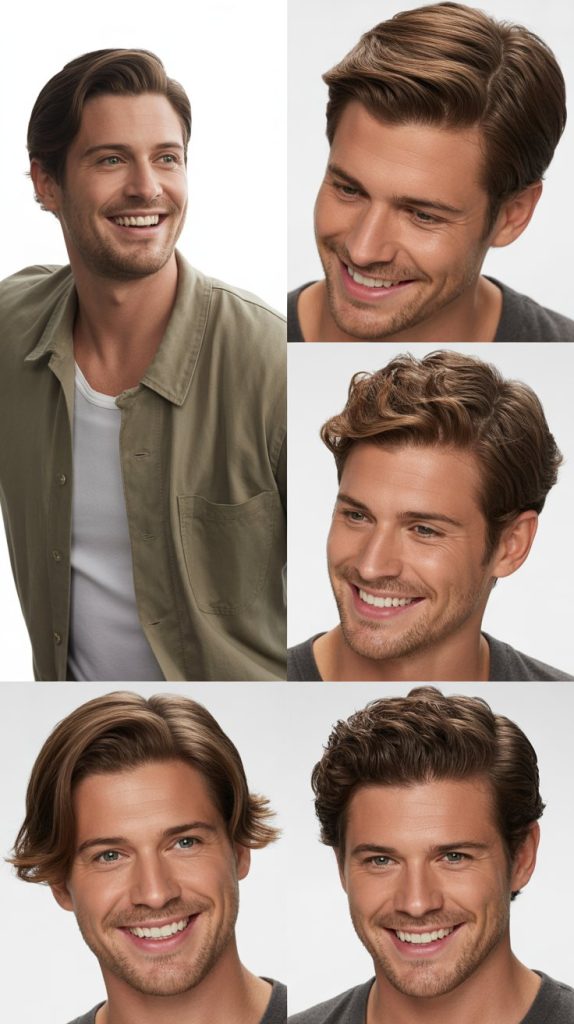
Product selection directly impacts your ability to achieve and maintain styles that flatter a prominent forehead.
Understanding product types, application methods, and hold levels ensures your style lasts from morning until night.
- Matte clays provide strong hold with a natural finish that doesn’t draw attention to your hairline.
- Pomades offer varying hold levels from light to firm, with water-based versions being easier to wash out than oil-based.
- Volumizing mousses applied to damp hair create lift and body without the crunchiness of hairspray.
- Sea salt sprays enhance natural texture and create the “beachy” look that works well with medium-length styles.
- Texturizing powders add volume at the roots and throughout the hair without visible residue.
- Heat protectant sprays safeguard hair health when using blow dryers or styling tools regularly.
- Apply products to damp (not wet) hair for better distribution and hold.
- Start with small amounts of product—you can always add more, but using too much creates greasy, weighed-down results.
- Different products work better for different hair types (fine, thick, curly, straight), so experimentation helps identify your ideal options.
9. Professional Styling Consultation Benefits
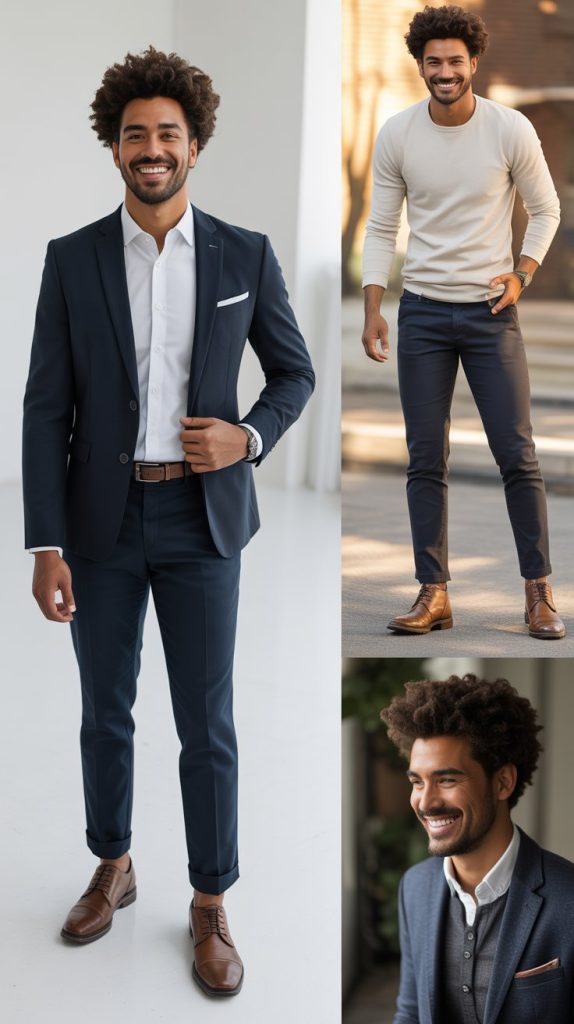
Consulting with an experienced barber or stylist who understands facial proportions provides personalized insights that generic advice cannot match.
These professionals assess your unique features and lifestyle to recommend practical, achievable styles.
- Professional stylists identify your face shape, hair type, growth patterns, and lifestyle factors that influence style selection.
- Bringing reference photos to consultations helps communicate your desired look more effectively than verbal descriptions alone.
- Experienced barbers understand how different cuts grow out and can recommend styles that maintain their shape between appointments.
- Many stylists offer styling tutorials during or after your cut, teaching you to recreate the look at home.
- Building a relationship with one stylist ensures consistency and allows them to track what works and what doesn’t over time.
- Consultations should include discussions about daily maintenance time, product recommendations, and styling tool needs.
- Higher-quality salons often charge more but deliver superior cuts that last longer and require less frequent maintenance.
- Don’t hesitate to ask questions or request adjustments during the cutting process—it’s your hair and your investment.
10. Celebrity Inspiration and Style Adaptation
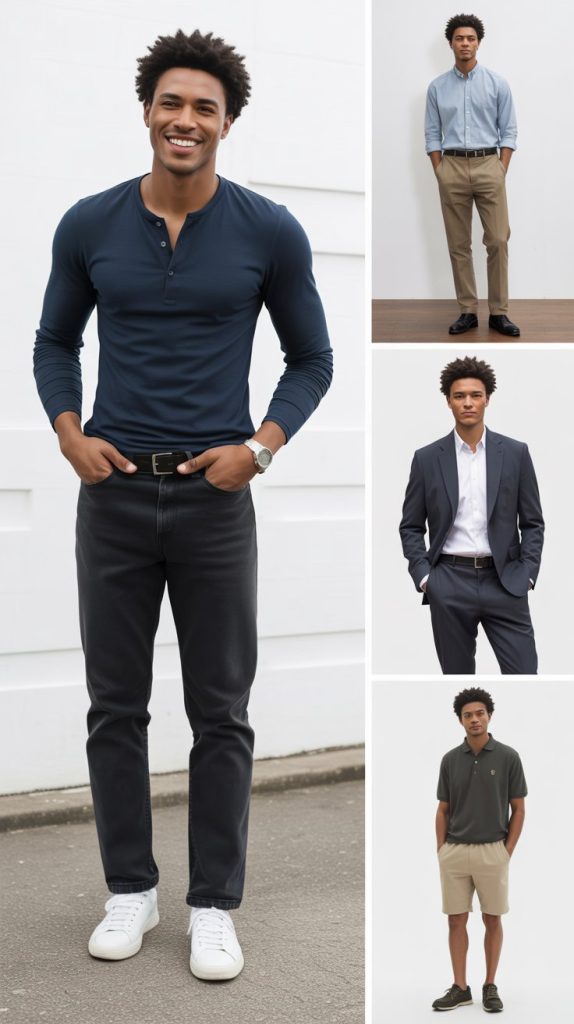
Many successful actors, athletes, and public figures have prominent foreheads and have developed signature styles that work with their features.
Studying these examples provides practical inspiration while understanding that professional styling and resources differ from everyday reality.
- Actors like Ryan Reynolds and Jude Law demonstrate how textured, slightly messy styles create casual sophistication with prominent foreheads.
- Athletes like LeBron James show how short, clean cuts with defined edges can look sharp and intentional.
- Musicians and artists often experiment with longer, layered looks that frame the face and add artistic flair.
- When adapting celebrity styles, consider your daily maintenance capacity and professional environment requirements.
- Celebrity hairstyles often involve professional daily styling, specialized products, and sometimes temporary enhancements not practical for regular use.
- Take multiple reference photos from different angles to your stylist to communicate the complete look you’re seeking.
- Focus on the overall concept and proportions of celebrity styles rather than trying to replicate them exactly.
- Remember that confidence and personal style matter more than perfect imitation of any celebrity look.
11. Daily Maintenance and Styling Routines
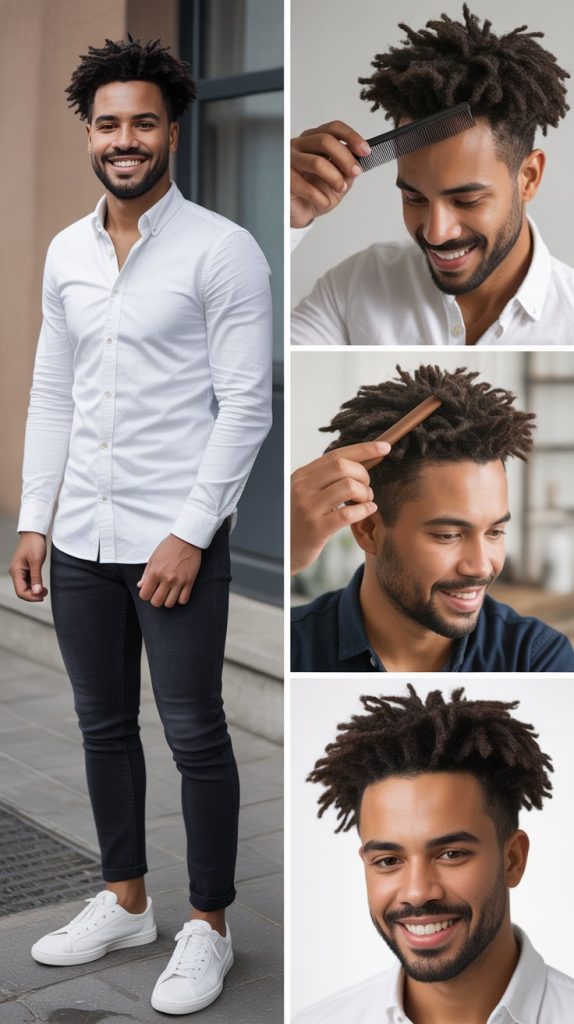
Consistent daily habits determine whether your chosen style actually delivers the promised results.
Developing efficient morning routines and understanding proper maintenance techniques ensures you always look your best.
- Washing hair every two to three days prevents natural oil stripping while keeping hair clean and manageable.
- Towel-drying by patting rather than rubbing reduces frizz and damage that makes styling more difficult.
- Applying products to damp hair allows even distribution and better hold than applying to dry hair.
- Blow-drying in the desired direction while hair is still shapeable sets the foundation for your style.
- Finishing with a small amount of product adds texture, definition, or hold as needed throughout the day.
- Investing in quality tools (blow dryer, brushes, combs) improves results and reduces styling time.
- Creating a simple, repeatable routine makes morning styling automatic rather than time-consuming.
- Adjusting product amounts and styling techniques based on weather conditions (humidity, rain, wind) maintains consistent results.
- Refreshing your style midday with dry shampoo or texturizing spray extends the life of your morning work.
12. Avoiding Common Styling Mistakes
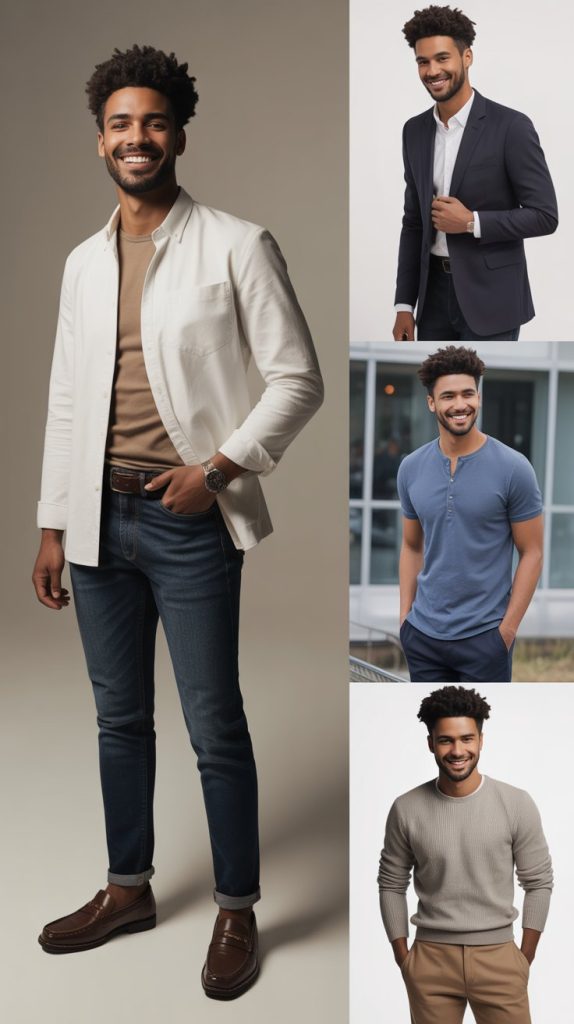
Understanding what doesn’t work for prominent foreheads prevents wasted time, money, and frustration.
These common mistakes often stem from well-intentioned but misguided attempts to minimize forehead size.
- Slicking all hair straight back exposes the entire forehead and creates harsh lines that emphasize rather than balance proportions.
- Heavy, blunt-cut bangs create an obvious “hiding” attempt that often looks unnatural and draws more attention to what you’re covering.
- Extremely short buzz cuts remove all styling options and can make the forehead appear larger by comparison.
- Center parts on medium or long hair divide attention equally, often emphasizing facial symmetry including forehead size.
- Overly high fades on the sides create extreme contrast that makes the top of the head (and forehead) more prominent.
- Using too much product creates greasy, unnatural-looking hair that appears styled rather than effortlessly attractive.
- Neglecting regular trims allows styles to lose their shape and intended proportions.
- Copying trends without considering your specific features leads to looks that work on others but not on you.
- Ignoring your hair’s natural texture and growth patterns creates constant frustration and inconsistent results.
13. Seasonal Adaptations and Weather Considerations
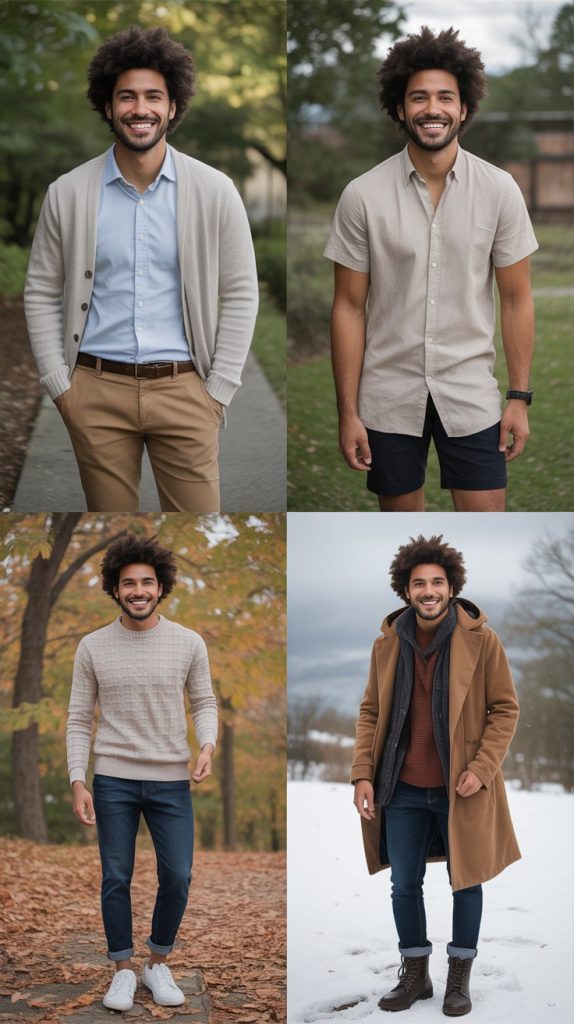
Different weather conditions require style adjustments to maintain the balanced proportions you’ve worked to achieve.
Understanding seasonal challenges and solutions keeps you looking sharp year-round.
- Summer humidity causes frizz and limpness that require stronger-hold products and more frequent touch-ups.
- Winter dryness and static electricity demand moisturizing products and less frequent washing to maintain hair health.
- Rain and wind necessitate styles with built-in flexibility rather than rigid structures that collapse under environmental stress.
- Hats and beanies in cold weather create hat hair that requires quick-fix techniques for recovery when removed.
- Increased sweating in summer means choosing water-resistant products that don’t run or drip.
- UV exposure can damage hair over time, making leave-in conditioners with sun protection valuable during summer months.
- Indoor heating in winter and air conditioning in summer both contribute to hair dryness requiring adjusted moisturizing routines.
- Adapting product amounts based on season (more in humid weather, less in dry conditions) maintains consistent hold and appearance.
14. Long-Term Hair Health and Growth Optimization
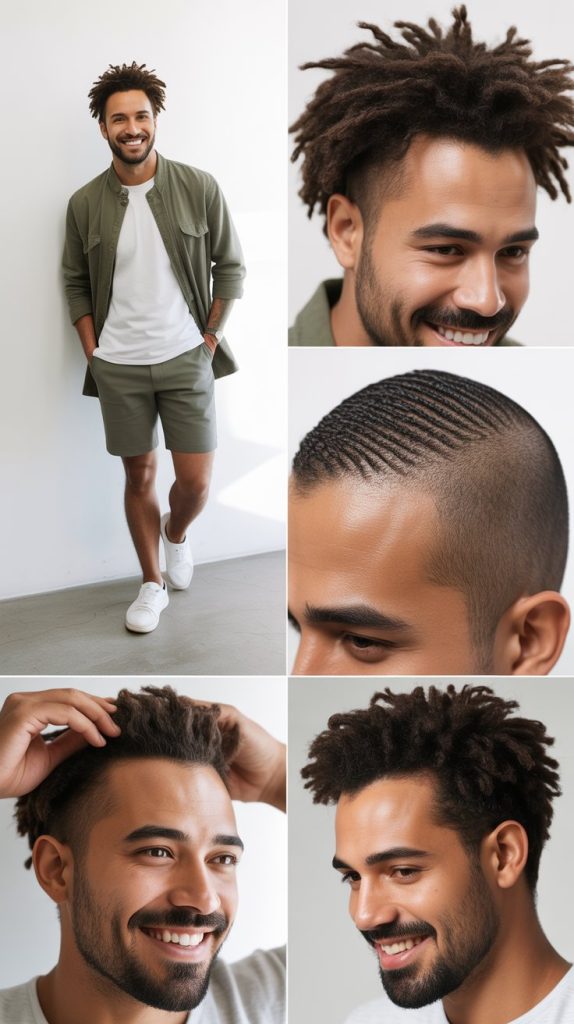
Healthy hair provides more styling options and better results than damaged, thinning, or poorly maintained hair.
Long-term health strategies ensure your hair continues to look its best as you age.
- Balanced nutrition including proteins, vitamins, and minerals directly affects hair strength, growth rate, and overall health.
- Scalp health determines hair quality—regular gentle massage increases blood flow and promotes healthy follicle function.
- Minimizing heat damage by using lower temperatures and heat protectants preserves hair integrity over years of styling.
- Regular trims remove split ends before they travel up the hair shaft, causing more extensive damage.
- Avoiding harsh chemical treatments (excessive bleaching, perming, straightening) prevents long-term structural damage.
- Staying hydrated and getting adequate sleep supports overall health including hair growth and quality.
- Stress management matters because chronic stress contributes to hair thinning and premature graying.
- If you notice unusual hair loss or thinning, consulting a dermatologist or trichologist addresses potential underlying health issues.
- Biotin, saw palmetto, and other supplements may support hair health, though evidence varies and medical consultation is recommended.
15. Confidence and Mindset Transformation
The most powerful change when learning to style hair with big forehead men techniques is the shift in how you perceive yourself.
Physical changes matter, but mental and emotional transformation creates lasting impact.
- Confidence stems from accepting your natural features rather than constantly fighting or hiding them.
- The right hairstyle serves as a tool for self-expression, not a mask to conceal perceived flaws.
- Other people notice your overall presence and energy far more than individual facial measurements.
- Investing time in your appearance demonstrates self-respect that others recognize and respond to positively.
- Experimentation with different styles helps you discover what genuinely feels like “you” rather than what you think you should look like.
- Professional and social success correlates more strongly with confidence and authenticity than with perfect facial proportions.
- Surrounding yourself with supportive people who appreciate your whole self reinforces positive self-image.
- Remember that every distinctive feature can become a signature element of your personal style.
- The goal is enhancement and balance, not transformation into someone different.
Conclusion
Learning to style hair with big forehead men successfully requires understanding facial proportions, selecting strategic cuts and styling techniques, and developing consistent maintenance routines that work with your natural features.
The techniques covered in this guide—from fringe variations and volume building to product selection and professional consultations—provide comprehensive tools for creating balanced, attractive looks that enhance rather than hide your distinctive features.
Remember that the most effective approach combines the right haircut with proper styling products, daily maintenance habits, and genuine confidence in your appearance.
Your prominent forehead isn’t a flaw to fix but a feature to work with intelligently, and with these simple tricks that change everything, you now possess the knowledge to transform how you present yourself to the world and how you feel about your reflection every single day.
