Having a prominent forehead doesn’t mean you’re limited in your hairstyle choices. In fact, understanding which cuts and styles work best for your face shape can transform your entire look and boost your confidence.
This comprehensive guide on “Struggling with a Big Forehead? Try These Men’s Hairstyles” explores proven techniques, expert-recommended cuts, and styling methods specifically designed to balance facial proportions.
Whether you prefer classic looks or modern trends, you’ll discover how strategic hairstyling can draw attention to your best features while creating the illusion of a more proportionate forehead.
From textured crops to strategic fringes, we’ll cover everything you need to know about choosing and maintaining the perfect hairstyle that complements your unique features and personal style.
1. Understanding Face Proportions and Forehead Types
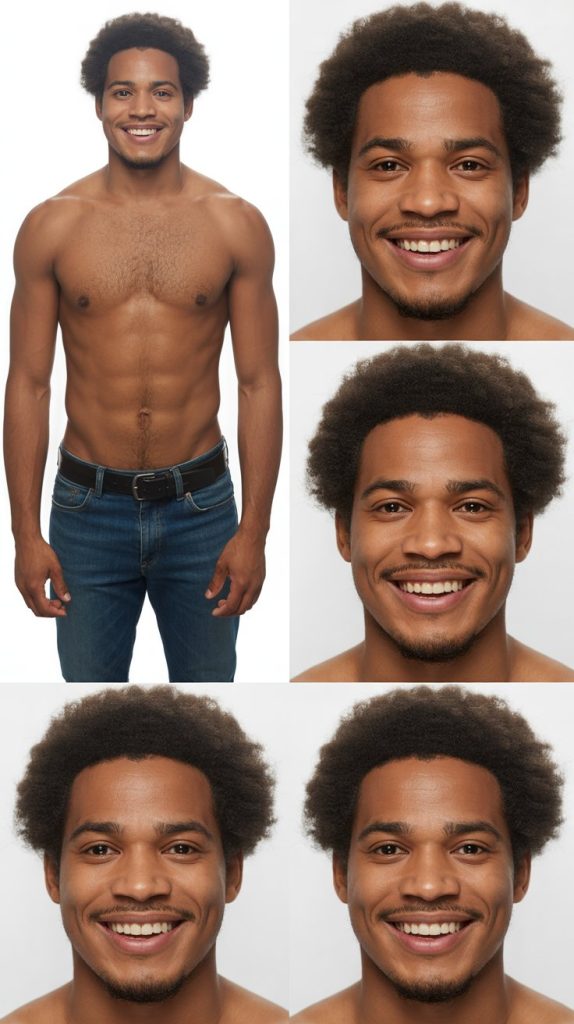
Before selecting a hairstyle, it’s essential to understand your specific forehead type and overall face shape, as this knowledge forms the foundation for making informed styling decisions.
- The average male forehead measures approximately 2.4 inches in height from the eyebrows to the hairline.
- A forehead is generally considered large when it measures more than four fingers in width or exceeds one-third of the total face length.
- Face shapes commonly associated with larger foreheads include oval, oblong, and rectangular.
- Understanding whether your forehead is high (receding hairline), wide (broad across), or both helps in selecting the most flattering hairstyle.
- Bone structure, including prominent brow bones or a flat forehead, also influences which styles will work best.
- Professional consultation with an experienced barber can provide personalized insights into your unique facial proportions.
2. The Classic Fringe/Bangs Approach
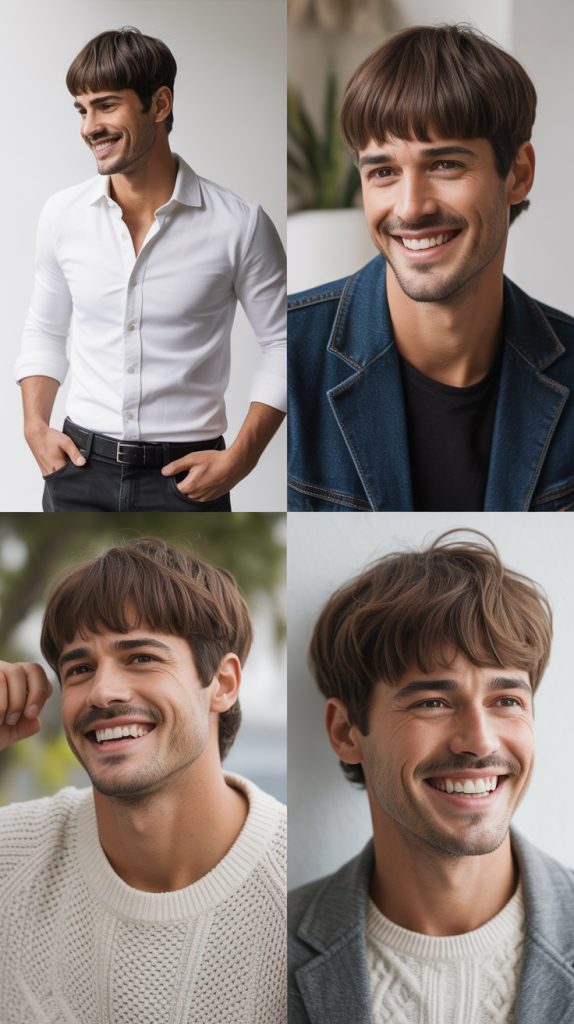
The fringe remains one of the most effective and versatile solutions for men seeking to minimize the appearance of a larger forehead while maintaining a stylish, contemporary look.
- A textured fringe creates natural movement that draws the eye away from forehead size while adding dimension to your overall appearance.
- Side-swept bangs offer a sophisticated alternative that provides coverage without appearing too heavy or deliberate.
- The key to a successful fringe is ensuring it falls naturally rather than looking overly styled or forced.
- Choppy, uneven fringes work particularly well as they create visual interest and avoid a blunt, harsh line across the forehead.
- Regular trims every three to four weeks maintain the fringe at an optimal length and prevent it from becoming too long or unmanageable.
- Styling products like lightweight pomades or texturizing sprays help maintain the fringe’s shape throughout the day.
- Avoid overly blunt, straight-across bangs as they can create an artificial appearance and draw more attention to what you’re trying to minimize.
3. Textured Crop Variations
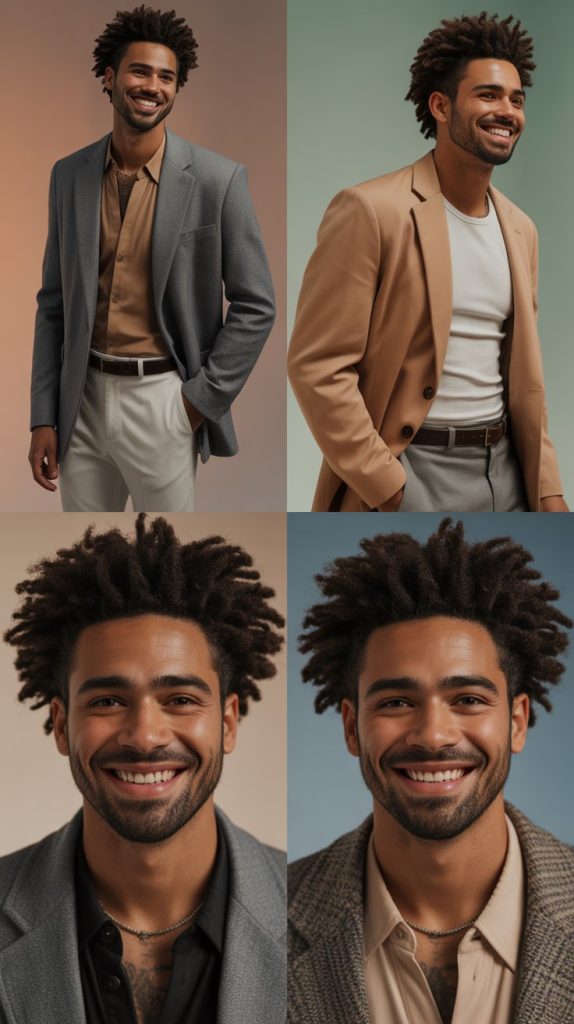
The textured crop has emerged as one of the most popular modern hairstyles, offering excellent coverage while maintaining a clean, masculine aesthetic that works in both professional and casual settings.
- The French crop specifically features a short fringe that sits forward on the forehead, providing natural coverage without excessive length.
- Textured crops utilize varying lengths on top to create depth and dimension, making the forehead appear less prominent.
- This style works exceptionally well for men with straight to wavy hair textures.
- The sides are typically kept shorter, creating contrast that draws attention to the textured top rather than the forehead.
- Styling involves using fingers to create natural, tousled texture rather than combing everything into place.
- Sea salt spray or matte clay products enhance the natural texture without creating shine or weight.
- This low-maintenance style requires minimal daily styling while still looking intentionally groomed.
- The versatility of the textured crop allows for both casual and professional presentations depending on how it’s styled.
4. Quiff and Pompadour Styles
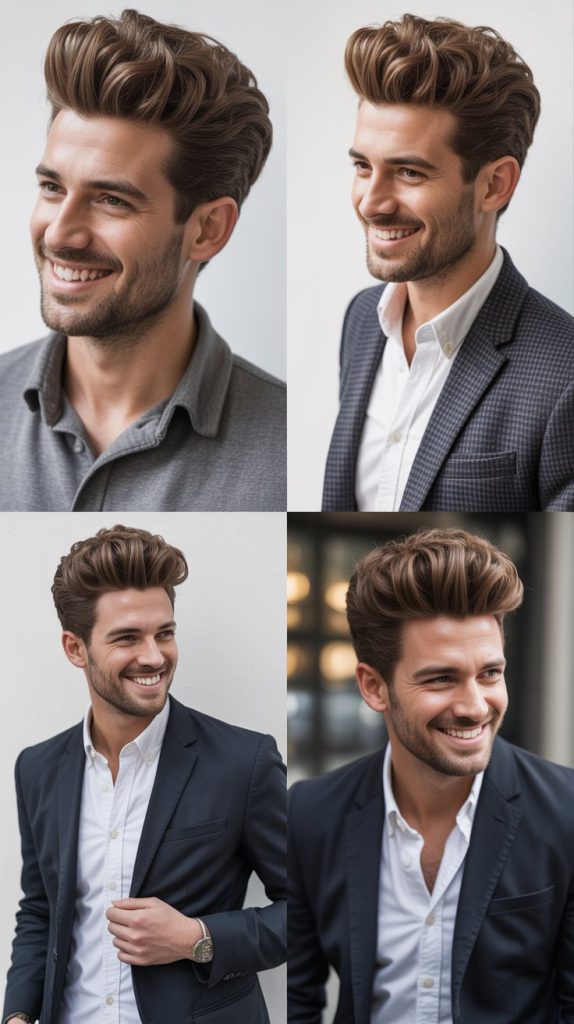
While it may seem counterintuitive, strategic volume-based styles like quiffs and pompadours can actually balance facial proportions when executed correctly with the right modifications.
- The modern quiff features forward-directed volume that extends slightly over the forehead, creating a balanced silhouette.
- Unlike traditional pompadours that sweep entirely backward, modified versions incorporate forward movement to provide forehead coverage.
- The key is achieving volume without excessive height, which could elongate the face further.
- A textured, messy quiff appears more natural and contemporary than overly polished versions.
- This style works best for men with medium to thick hair density who can support the necessary volume.
- Blow-drying techniques are essential for creating the foundation of lift and direction.
- Medium-hold pomades or styling creams maintain shape while allowing some natural movement.
- Regular maintenance is required as this style demands more frequent trims to maintain its structure.
5. Side Part and Comb Over Techniques
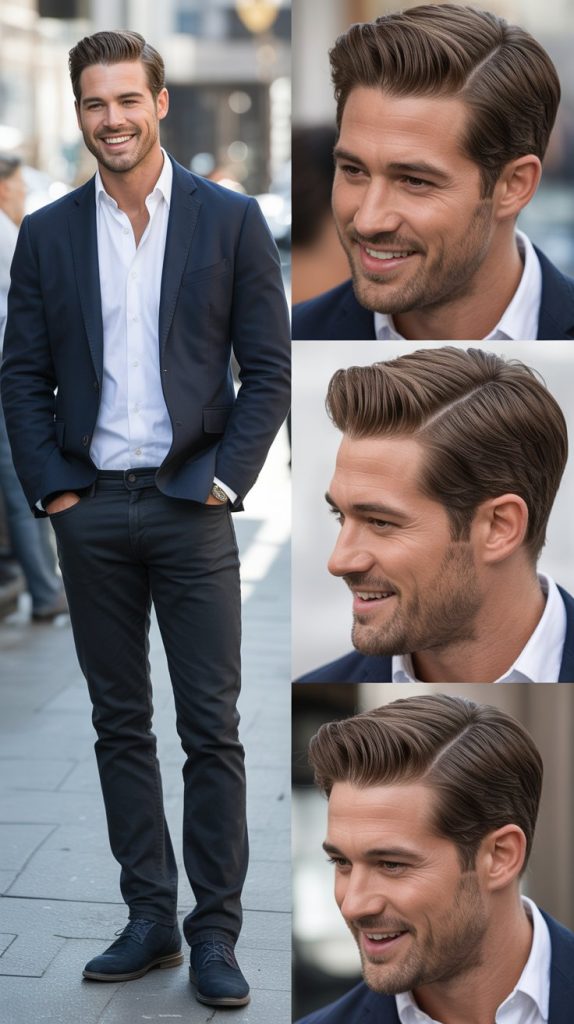
The strategic side part remains a timeless solution that offers sophistication while cleverly redirecting visual focus away from forehead proportions.
- A deep side part creates asymmetry that naturally draws the eye across the face rather than directly to the forehead.
- The comb over doesn’t need to be dramatic; subtle coverage often appears more natural and modern.
- This technique works particularly well for professional environments where polished appearance is valued.
- The hair swept across the forehead should maintain volume rather than lying completely flat against the head.
- Combining a side part with slight texture prevents the style from appearing too formal or dated.
- This approach is especially effective for men with receding hairlines as it provides strategic coverage.
- Quality styling products with medium hold ensure the part stays in place without appearing stiff or unnatural.
- The versatility allows for both classic and contemporary interpretations depending on personal style preferences.
6. Longer Layered Hairstyles
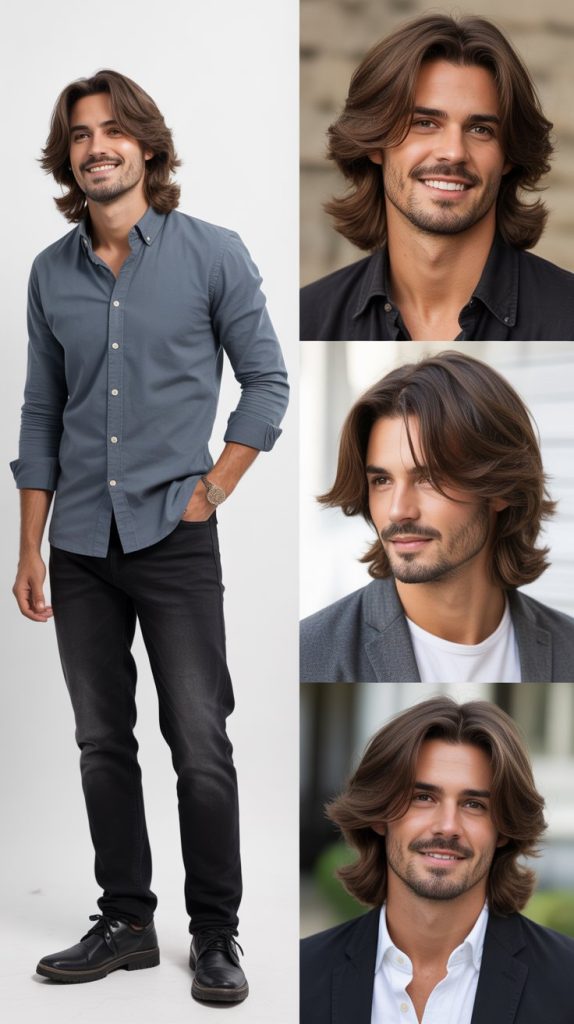
For men comfortable with more length, layered hairstyles offer natural coverage while providing numerous styling options that can adapt to different occasions and personal preferences.
- Layers create movement and dimension that naturally falls forward, providing organic forehead coverage.
- This approach works exceptionally well for men with wavy or curly hair textures that naturally create volume.
- The length should typically reach at least the eyebrows to provide adequate coverage without constant adjustment.
- Face-framing layers around the front create a softening effect that balances facial proportions.
- This style requires commitment to regular conditioning and maintenance to keep hair healthy and manageable.
- Various styling options include wearing hair down, in a man bun, or half-up configurations depending on the setting.
- Longer styles require patience during the growing-out phase, typically taking six to twelve months to achieve desired length.
- Professional layering techniques prevent the style from appearing unkempt or overly feminine.
7. Strategic Hair Color and Highlights
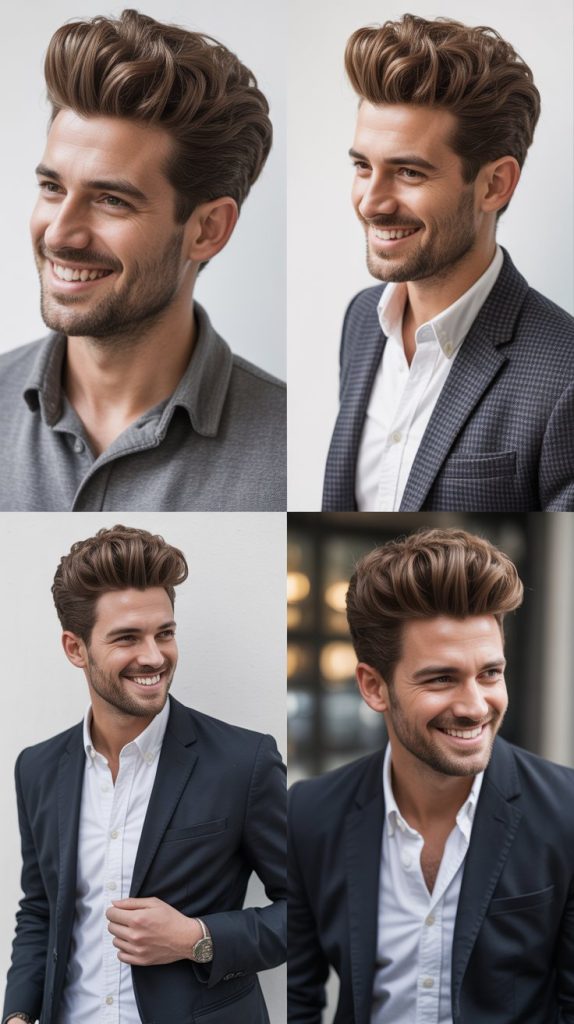
Beyond cut and style, strategic color placement can create visual illusions that effectively minimize forehead prominence while adding dimension and contemporary flair.
- Lighter highlights around the face draw attention to the hair rather than the forehead area.
- Dimensional coloring with multiple tones creates depth that makes hair appear fuller and more textured.
- Subtle balayage techniques add natural-looking variation without dramatic contrast.
- Darker roots with lighter ends create upward visual movement that can balance facial proportions.
- Color should complement natural skin tone to ensure a cohesive, flattering overall appearance.
- Professional application is essential to avoid unnatural results or excessive damage to hair health.
- Maintenance requirements vary based on chosen technique, with balayage requiring less frequent touch-ups than traditional highlights.
- Combining color with the right cut maximizes the forehead-minimizing effect.
| Hair Color Technique | Maintenance Frequency | Best For | Visual Effect |
|---|---|---|---|
| Balayage | 8-12 weeks | Natural look seekers | Subtle dimension |
| Full Highlights | 6-8 weeks | Dramatic change | Maximum brightening |
| Lowlights | 8-10 weeks | Adding depth | Enhanced texture |
| Root Shadow | 10-12 weeks | Low maintenance | Natural growth appearance |
8. Facial Hair Integration
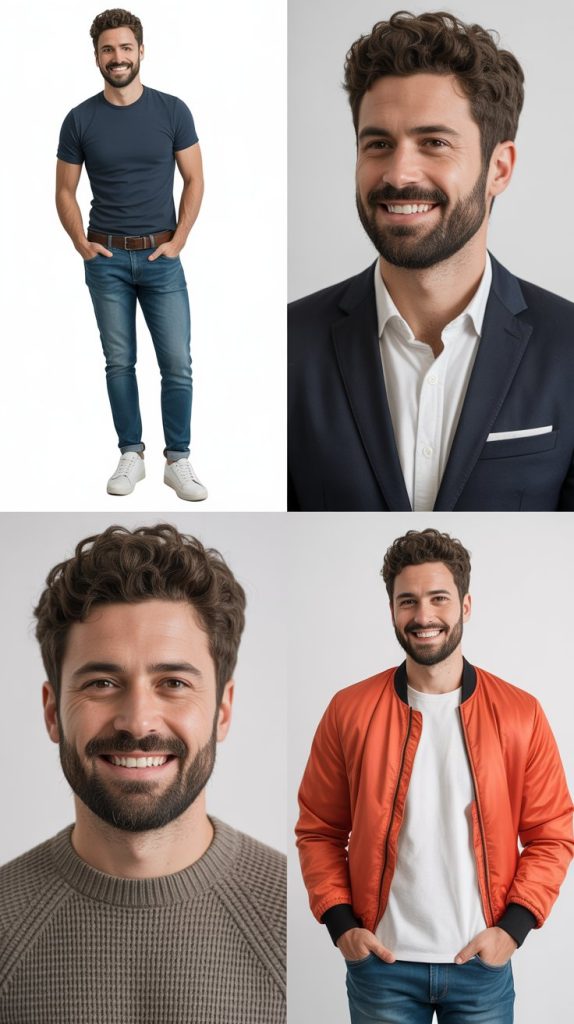
Strategic facial hair growth and grooming can create visual balance that draws attention downward and away from a prominent forehead while enhancing overall masculine features.
- A well-maintained beard creates a lower focal point on the face, naturally balancing upper face proportions.
- The visual weight of facial hair can make the forehead appear less dominant in overall facial composition.
- Coordinating hairstyle with beard style ensures a cohesive, intentional appearance rather than disconnected grooming choices.
- Fuller beards work particularly well for men with longer face shapes commonly associated with larger foreheads.
- Even stubble or a shorter beard can provide enough visual interest to redirect attention.
- The key is maintaining clean lines and regular grooming to avoid appearing unkempt.
- Beard oils and balms keep facial hair healthy, manageable, and professional-looking.
- Consulting resources like Men’s Health grooming guides can provide additional styling insights.
9. Avoiding Common Hairstyle Mistakes
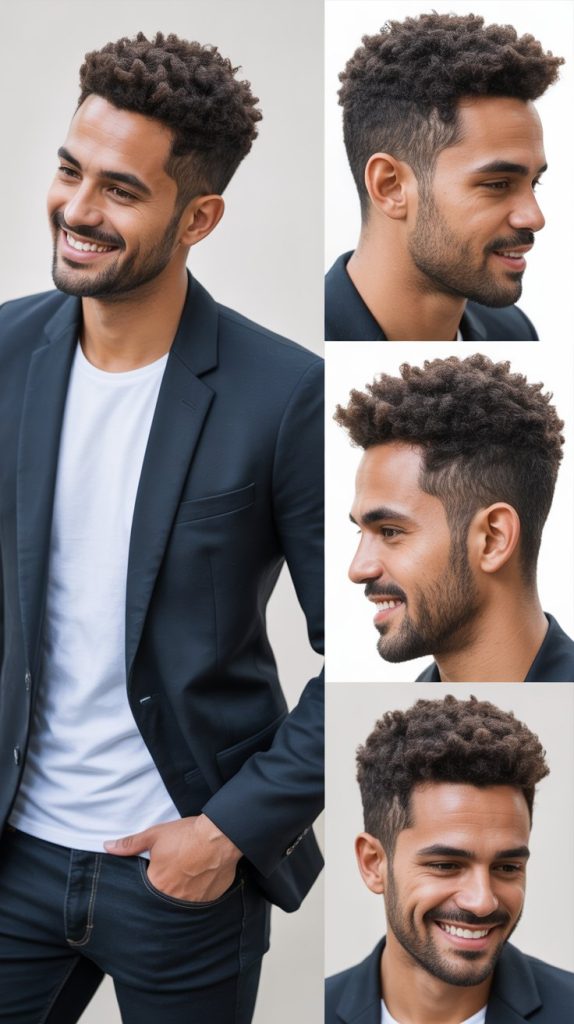
Understanding which styles to avoid is equally important as knowing which ones to embrace, as certain cuts can inadvertently emphasize rather than minimize forehead prominence.
- Slicked-back styles without any forward element expose the entire forehead, maximizing its visibility.
- Extremely short buzz cuts or crew cuts provide no coverage or framing for the upper face.
- High and tight military cuts create stark contrast that draws attention directly to the forehead.
- Overly voluminous top-heavy styles can elongate the face further, exaggerating rather than balancing proportions.
- Completely symmetrical styles lack the visual interest needed to redirect attention effectively.
- Harsh, blunt lines across the forehead create artificial-looking results that highlight what you’re trying to minimize.
- Neglecting regular maintenance allows any style to lose its intended shape and effectiveness.
- Choosing styles based solely on trends rather than face shape often leads to unflattering results.
10. Daily Styling and Maintenance Tips
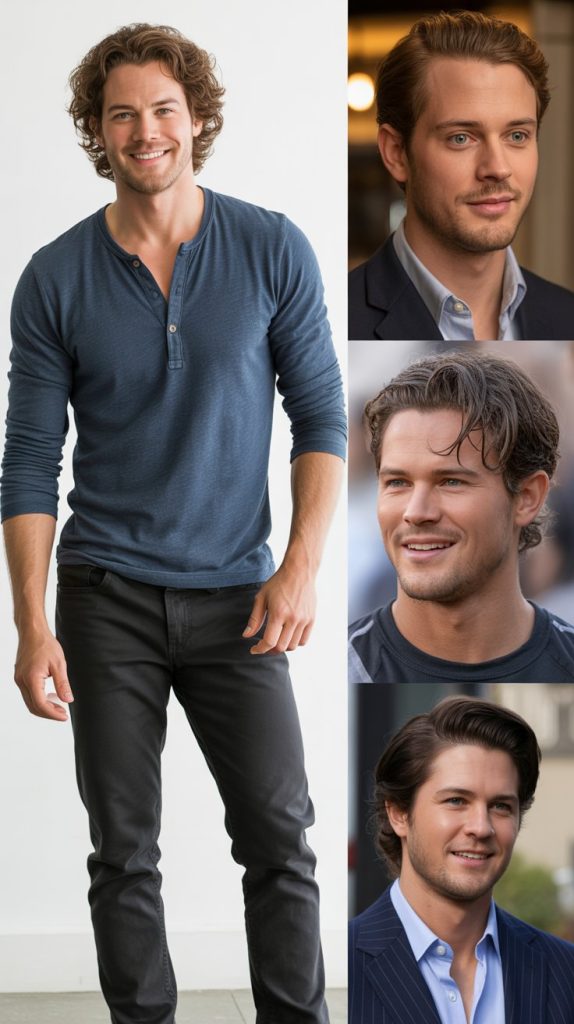
Mastering daily styling techniques ensures your chosen hairstyle consistently delivers the forehead-minimizing benefits you’re seeking while looking fresh and intentional.
- Starting with damp rather than soaking wet hair allows better product distribution and styling control.
- Blow-drying with a round brush creates volume and direction that can be styled forward for coverage.
- Using fingers rather than combs often creates more natural, textured results that appear less contrived.
- Layering products strategically provides both hold and texture without weighing hair down or creating greasiness.
- Morning styling should take no more than five to ten minutes once you’ve mastered your routine.
- Investing in quality styling tools like a good hair dryer and appropriate brushes makes daily maintenance easier.
- Understanding your hair’s natural growth patterns helps work with rather than against its tendencies.
- Resources like GQ’s grooming section offer additional professional styling tutorials.
11. Professional Consultation and Customization
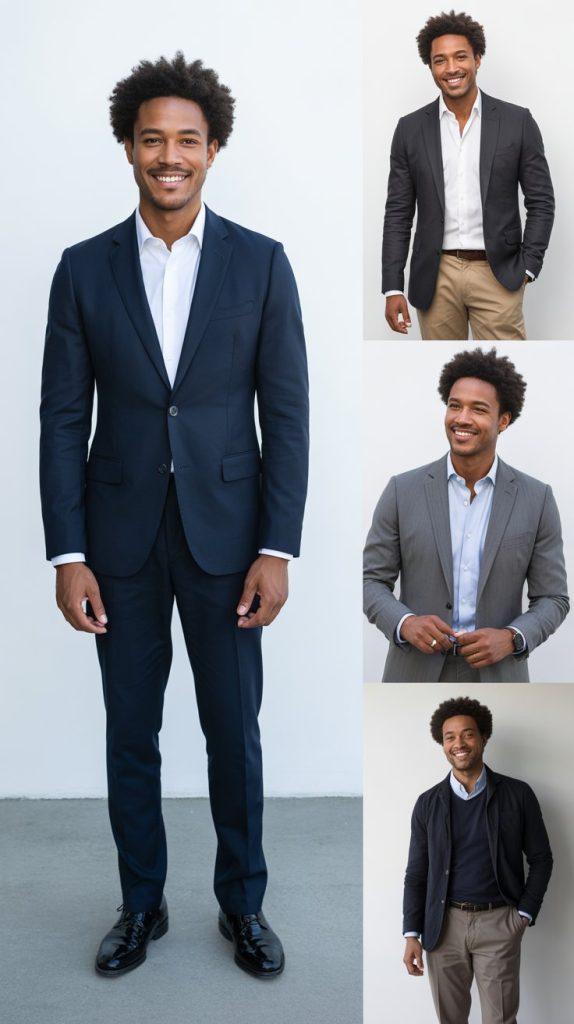
Working with skilled professionals ensures your hairstyle is customized to your unique features, lifestyle, and maintenance preferences rather than simply following generic recommendations.
- An experienced barber can assess your specific face shape, hair texture, and forehead proportions to recommend optimal styles.
- Professional consultations should include discussion of your daily routine and styling ability to ensure realistic maintenance expectations.
- Bringing reference photos helps communicate your vision while allowing the professional to adapt ideas to your features.
- Quality barbershops often provide styling tutorials during your appointment to ensure you can recreate the look at home.
- Building a relationship with a trusted barber leads to consistent results and ongoing style evolution.
- Professional-grade products recommended by your barber often perform better than mass-market alternatives.
- Regular appointments every four to six weeks maintain your chosen style’s integrity and effectiveness.
- Honest feedback from professionals prevents pursuing styles that won’t work with your hair type or face shape.
12. Building Confidence Beyond Hairstyle
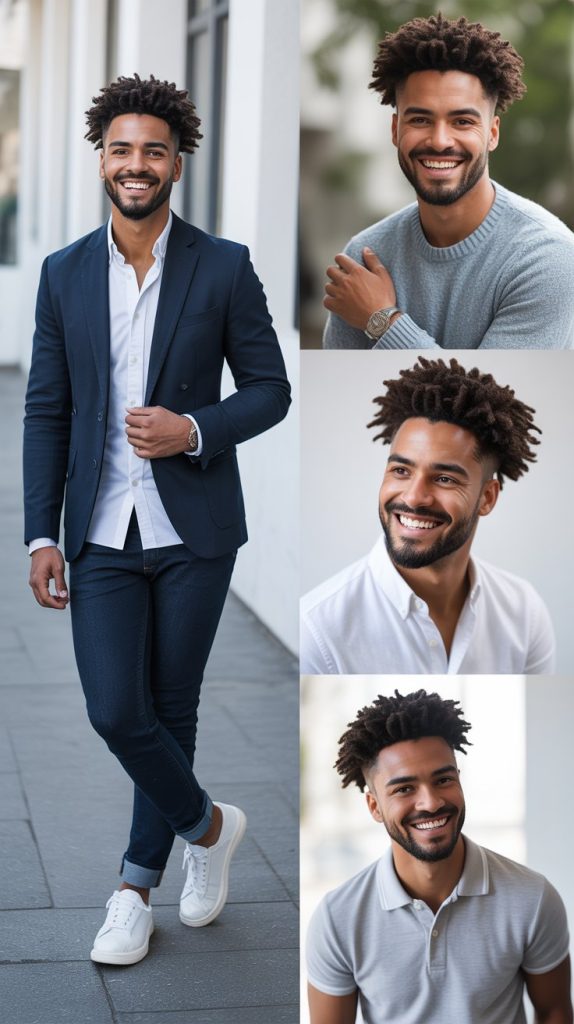
While the right hairstyle certainly helps, true confidence comes from embracing your unique features and recognizing that perceived imperfections are often far more noticeable to ourselves than to others.
- Many successful, attractive men have prominent foreheads, demonstrating that this feature doesn’t limit personal or professional success.
- Overall grooming, posture, and self-presentation impact how others perceive you far more than individual facial features.
- Confidence in your appearance naturally draws positive attention and creates a strong first impression.
- Focusing on what you can control, like hairstyle and grooming, is more productive than fixating on unchangeable features.
- Personal style extends beyond hair to clothing, fitness, and how you carry yourself in various situations.
- Accepting your features while making strategic style choices creates authentic rather than compensatory presentation.
- Social confidence often matters more in interpersonal interactions than specific physical characteristics.
- Resources like Psychology Today offer insights on building genuine self-confidence.
Conclusion
Finding the perfect hairstyle when struggling with a big forehead isn’t about hiding or being ashamed of your natural features, but rather about making informed choices that complement your overall appearance and boost your confidence.
Throughout this guide on “Struggling with a Big Forehead? Try These Men’s Hairstyles,” we’ve explored numerous approaches from classic fringes to textured crops, strategic color placement to facial hair integration, all designed to help you look and feel your best.
The key takeaway is that there’s no single solution—the ideal hairstyle depends on your unique combination of face shape, hair texture, lifestyle, and personal style preferences.
By understanding the principles of proportion, working with qualified professionals, and committing to proper maintenance, you can find a hairstyle that not only minimizes forehead prominence but also enhances your overall masculine appeal and personal confidence.
Remember that some of the most successful and attractive men embrace their prominent foreheads with the right styling approach, proving that this feature is simply another aspect of your unique identity to work with rather than against.
